



Most athletes obsess over what happens during training. Ice baths, foam rollers, compression gear — the recovery toolkit has never been bigger. But there's one moment in the day that almost every athlete overlooks: the hours spent walking around the house.
Your floors are not your friend. Hard tiles, wooden floors, and thin rugs offer zero cushioning and force your feet into the same repetitive, unsupported positions that cause tightness, inflammation, and fatigue. If you're serious about how your body performs and recovers, what you wear at home matters just as much as what you wear on the track, court, or pitch.
The Problem With What Most People Wear at Home
Think about the last time you came home after a hard session. You unlaced your training shoes, dropped your bag, and slipped into... whatever was closest. A pair of old flip flops. Thin foam slides. Or nothing at all.
That moment — right after training — is one of the most critical windows for foot recovery. Muscles are fatigued, fascia is stressed, and your joints have absorbed hours of repetitive impact. What you put on your feet in the next few hours directly influences how well your body resets before the next session.
Most standard home footwear is designed for comfort at best, and for aesthetics at worst. Neither addresses the biomechanical needs of an athlete in recovery. No meaningful arch support. No heel cushioning. No ergonomic structure. Just your feet, left to fend for themselves.
The Case for Recovery Footwear Indoors
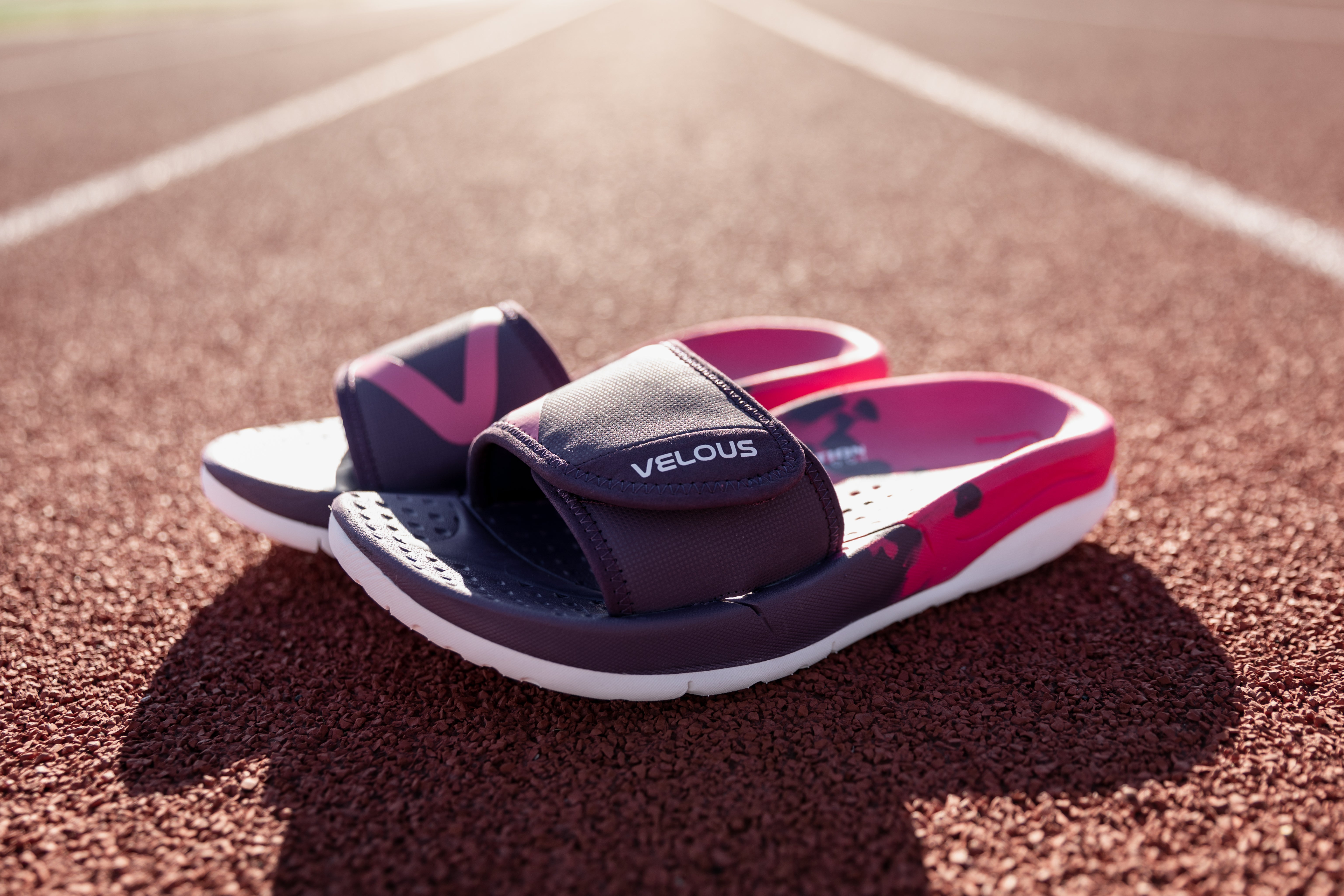
VELOUS recovery sandals are engineered differently. Built on a biomechanically designed footbed, they provide the kind of structured support your feet need to decompress after activity. Whether you're cooling down after a morning run, spending an evening on your feet in the kitchen, or simply moving between rooms throughout the day, VELOUS sandals work with your foot's natural mechanics — not against them.
The footbed geometry is not accidental. It's the result of careful attention to how the foot loads and unloads during casual movement, and how that movement can either aid or hinder tissue recovery. Every contour is there for a reason.
What Happens When You Prioritize Foot Recovery at Home
Consistent use of proper recovery footwear between training sessions can lead to measurable differences in how your body feels and performs:
- Reduced plantar fascia stress — keeping the connective tissue along the sole of your foot properly supported reduces micro-tension that builds up over the day, particularly relevant for athletes dealing with plantar fasciitis or heel spur discomfort.
- Less heel and arch fatigue — cushioned heel cups absorb residual impact and allow the heel to decompress naturally after loading sessions.
- Better alignment from the ground up — good foot support influences ankle, knee, and hip alignment. On active recovery days, this translates to less compensatory tension through the lower body.
- Improved morning readiness — feet that recover properly overnight and during rest periods tend to feel fresher at the start of the next session. Small margins, but consistent ones.
- Reduced risk of overuse injuries — many common lower-limb injuries in athletes are not caused by a single event, but by accumulated stress. Removing unnecessary load during off-training hours is a simple, often overlooked way to reduce that accumulation.
Recovery Is Not Just What You Do. It's Also What You Don't Do.
There's a tendency in sport to think of recovery as active: ice, massage, mobility work, nutrition. These all matter. But passive recovery — the environment your body exists in between those active interventions — matters equally.
Walking barefoot on hard floors for hours. Standing on unsupported surfaces. Wearing footwear that compresses or misaligns the foot. These habits quietly undermine the work you're doing everywhere else.
Replacing one bad habit — the wrong footwear at home — with one good one is a low-effort, high-consistency change that compounds over weeks and months of training.
The VELOUS Range: Built for Every Athlete
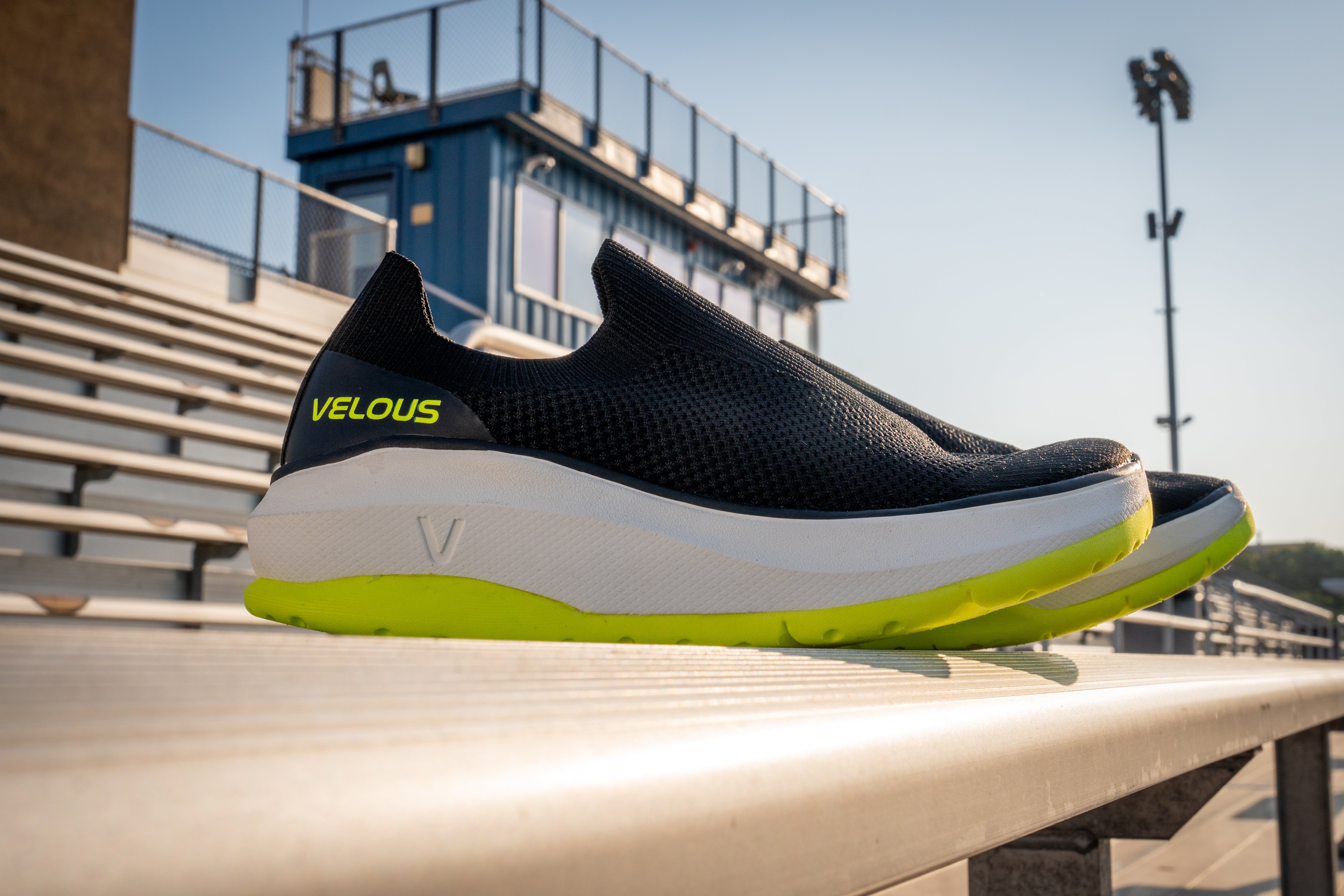
The VELOUS lineup covers the full spectrum of recovery needs. The VELOUS Pacific Flip and VELOUS Oceanside Flip offer a classic flip-style silhouette with the performance footbed you'd expect from a dedicated recovery sandal. The VELOUS Active Slide and VELOUS Active Adjustable Slide provide a more enclosed fit, ideal for those who want a secure feel during longer periods of indoor wear.
All models share the same core commitment: real recovery performance in a sandal you'll actually want to wear every day.
Built to Recover. Made to Last.
VELOUS recovery sandals aren't a wellness trend. They're a performance tool designed for athletes who understand that recovery is training — and that training doesn't stop when you leave the gym.
If you spend time and money on your performance, it makes sense to protect that investment during every hour of the day. Including the ones at home.
Make your recovery count. Start at the front door.
Leave a comment